
Best Time to Go
June to September and January to February.

June to September and January to February.

December to March and July to October.

Mzima Springs, Ancient lands of Lions, Shetani lava, Poacher's Lookout & Ngulia Sanctuary
``Land of Lava, Springs, Man-Eaters & Magical Sunsets”



Lions, leopards, black and white Rhinos, yellow baboons, giraffes, gazelles, hyenas, impala, jackals, foxes, wildebeest, cheetahs, Elephants, buffalo, African wild dogs and more
Ngulia Sanctuary for black and white Rhinos, Hippos & fish at Mzima Springs
Over 500 species of birds, including corncrake and Basra Reed Warbler.
Tsavo West National Park is situated in Kenya's southeast and has a diverse topography of landscapes from riverine vegetation, vast grasslands, dense acacia woodlands, rocky peaks, and extinct volcanic craters. This Park is a beautiful, truly magical, rugged wilderness and excellent safari destination.
Tsavo West National Park is in the southeastern part of Kenya and a little southeast of its sister park Tsavo East National Park. It encompasses an area of 9,065 sq km, making it smaller than Tsavo East.
Despite being smaller than its sister, it's more popular due to its stunning landscapes. These two parks work together to create a magical destination and form the world’s largest national park, the Tsavo Conservation Area.
Tsavo West National Park is accessible both by road and air. The park is about 240 km from Nairobi and 250km from Mombasa (Mtito Andei Gate).
By air you can fly to Kamboyo, Kilaguni, Tsavo Gate, Jipe, Kasigau,Finch Hottons, Ziwani, and Maktau airstrips.
Tsavo west offers some of the most magnificent game viewing in the world due to its brilliant vantage points like the Poacher's Lookout and the roaring rocks where visitors can see the teeming herds in the plains below, as well as the majestic Mt Kilimanjaro on a clear day.
Game viewing at Tsavo is best done in the evening and early in the morning before it gets too hot, and the animals shelter themselves out of sight. The Big 5 (lion, leopard, elephant, rhino, and buffalo) are resident here, the cheetah, shy lesser kudu, the rare fringe-eared oryx, the fringe-eared oryx, klipspringer and the Maasai giraffe.
You also have an opportunity to visit the Ngulia Rhino Sanctuary. It's one of the few places in the country where you can see the highly endangered black rhino.
Birdwatchers also have plenty to be excited for as there are over 500 birds recorded at Tsavo conservancy, including the localised aquatic birds.
Such as the Lesser jacana, Pygmy goose, and Black coucal can be seen at Lake Jipe, which sits on the Kenya-Tanzania border.
One of the park's most spectacular and popularly known landmarks is the Mzima Springs, a natural spring with filtered crystal clear water gushing out from the porous volcanic rocks of the Chyulu Hills and forming the most welcoming and welcoming lovely scene in Africa.
Another spectacular landmark is the Shetani Lava Flow. A vibrant volcanic arena of tar-coloured solidified molten lava spewed from the earth, which the locals thought to be the work of the devil hence the name Shetani. Shetani is a Swahili word meaning “Devil” because when it erupted 200 years ago from the Chyulu Hills, the fast-flowing fiery lava buried many people and animals alive.
Tsavo National Park is also a great park to visit. It's wild, uncrowded, and authentic. You can easily combine it with Amboseli and coastal Kenya for
unforgettable bush and beach safari experience.
Ready to plan your next adventure? Whether it's exclusively park-focused or the park is just a part of it. Kimara Safaris travel guides are prepared to help you craft your perfect itinerary. Get in Touch
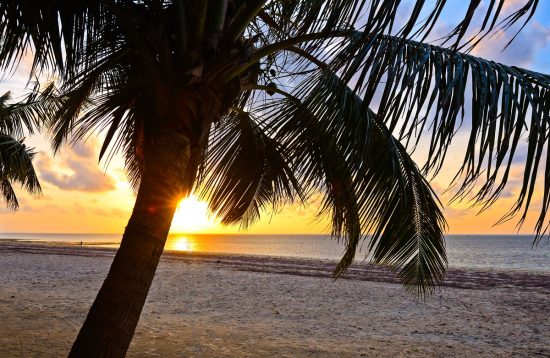
Fourteen days luxury safari combines the best Safari destinations and our incomparable white sandy beaches. Nakuru | Naivasha | Masai Mara | Samburu | Amboseli | Tsavo | South Coast
explore